

Blog
What Is a Peshtemal? The Turkish Hammam Towel, Explained

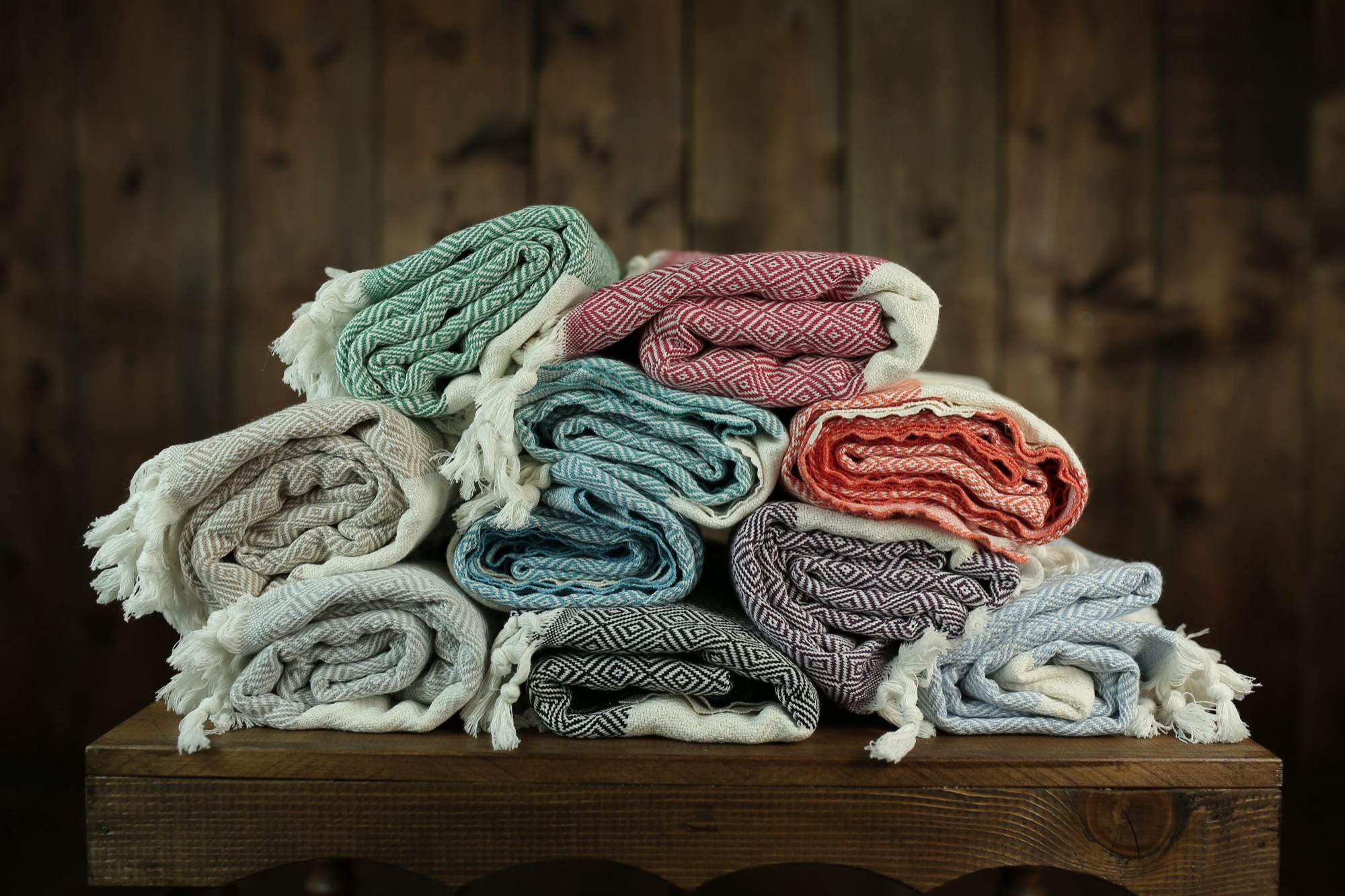
If you’ve shopped for Turkish textiles, you’ve met the word peshtemal — sometimes spelled peştemal or pestemal, and often called a hammam towel or, in North Africa, a fouta. Behind the name is one of the world’s oldest textile traditions: a flat-woven cotton cloth that has been part of Anatolian bath culture for centuries. Here’s what a peshtemal actually is, where it comes from, and why hotels and brands keep rediscovering it.
A Cloth With Six Centuries of History
The word peshtemal traces back to Persian, describing a cloth worn wrapped around the body. In the Ottoman hammam — the communal bathhouse that was as much a social ritual as a cleansing one — the peshtemal was worn for modesty, used to dry off, and wrapped around bathers by attendants after their bath and massage.
It was never just a towel. The quality of a bathhouse was often judged by the quality of its peshtemals, and fine weaving, soft fibers, and vibrant color were marks of prestige. For generations these cloths were woven by hand on wooden looms, with each region developing its own patterns, fringe styles, and color traditions. The most prized came — and still come — from the long-staple cotton of the Aegean plains, woven in Turkey’s textile heartland around Denizli.
Flat Weave: Why a Peshtemal Isn’t a Terry Towel
The defining difference is the weave. A classic terry towel is built from looped pile — thousands of tiny cotton loops that create a thick, plush surface. A peshtemal is woven flat, more like a fine fabric, with long parallel threads running in both directions.
That single structural difference gives the peshtemal a distinct set of advantages:
- Lighter and more compact — a peshtemal weighs far less than a terry towel and folds down to a fraction of the size.
- Dries quickly — the flat weave releases moisture fast, so it resists the musty smell that damp terry can develop.
- Absorbent, and improves with age — long-staple fibers open up and soften with each wash, becoming more absorbent over time.
- Sand- and snag-resistant — with no loops to trap sand or pull, it stays cleaner and holds its shape longer than terry.
One Textile, Many Uses
This versatility is exactly why the peshtemal has traveled far beyond the hammam. In a hospitality setting, a single well-made peshtemal can serve as:
- A bath towel — absorbent, quick-drying, and compact in guest rooms
- A beach or pool towel — lightweight, sand-resistant, and easy to stock in volume
- A spa and hammam wrap — the traditional, authentic use
- A gym or wellness towel — thin, hygienic, and fast-drying
- A decorative throw or table textile — for boutique styling touches
For hotels, resorts, and lifestyle brands, that flexibility means one beautiful, low-bulk product can work across several areas — from the spa to the beach club to the gift shop.
What Separates a Good Peshtemal From a Cheap One
Not all peshtemals are equal. The marks of quality:
- 100% Turkish cotton — no polyester or short-staple blends, which sacrifice softness, absorbency, and longevity.
- Long-staple Aegean fiber — spun tighter for a stronger, smoother, more absorbent cloth.
- Hand-knotted fringes — the traditional finish, tied from the warp threads.
- A weave suited to purpose — flat, striped, herringbone, honeycomb, or jacquard, each with its own look and hand feel.
The MONNEVA Approach
We handloom our peshtemals in Denizli, from the same long-staple Turkish cotton the tradition was built on, finished with hand-knotted tassels. You can choose the weave, the size, the fringe style, and your own Pantone colors — and because every run is woven to order, you can create an authentic, custom peshtemal line whether you run a boutique hotel or a growing lifestyle brand.
Want to bring a piece of centuries-old craft into your collection?
Which weave suits your property depends on how the towel is used. The classic flat-woven peshtemal is the lightest and fastest-drying option for spa and guest-room use. Where guests expect more absorbency — poolside, beach clubs — the terry-backed peshtemal keeps the flat-woven face but adds terry loops on the reverse. For yacht clubs and travel retail, the pocket peshtemal adds a zippered pocket for phones and keys.
Explore our peshtemal collection or request a quote and we’ll help you design it.