
Blog
Private Label Textiles 101: How to Launch Your Own Hotel Linen Line

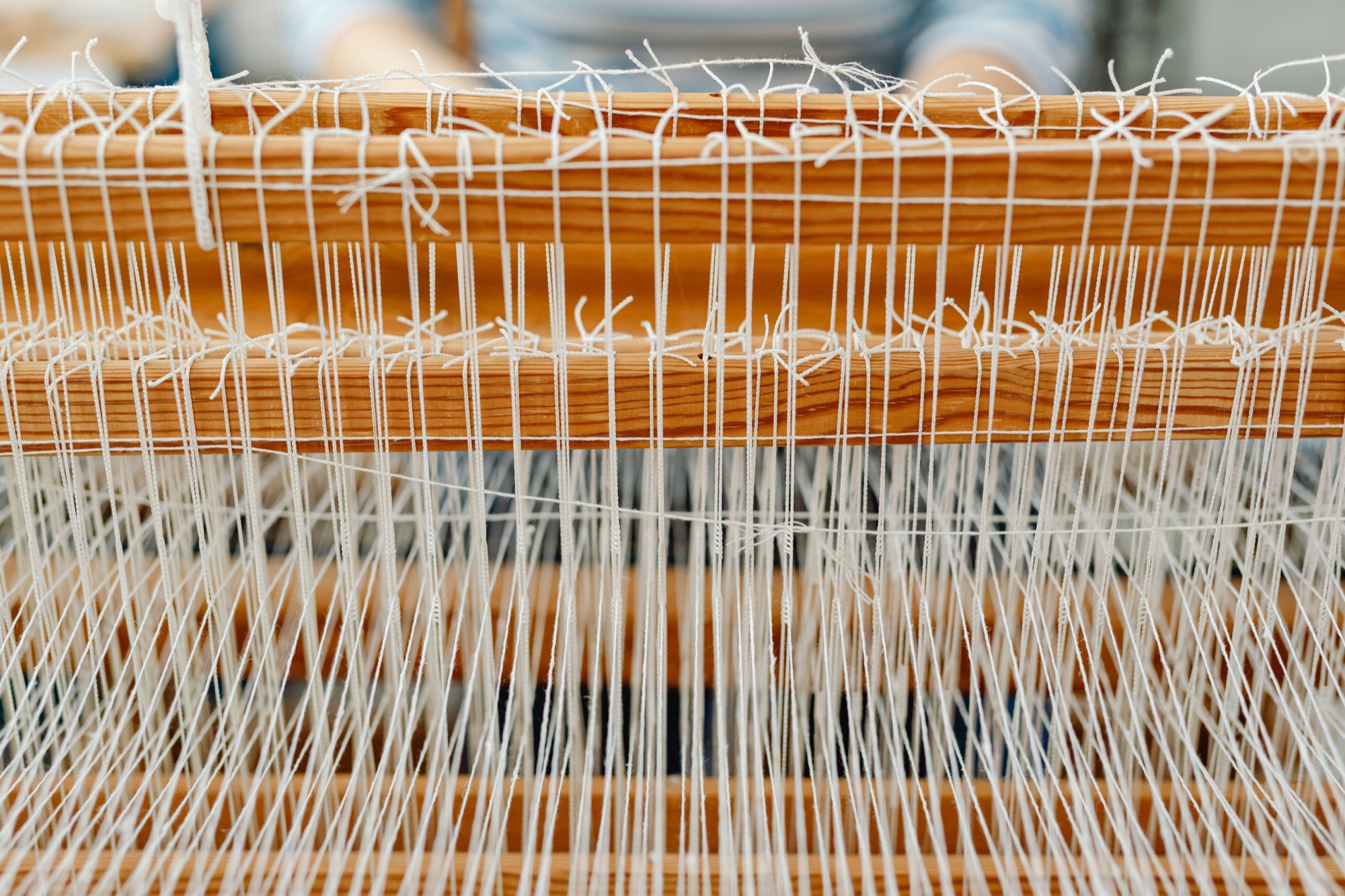
You don’t need to own a factory to sell textiles under your own brand. Whether you’re a hotel group wanting linens that carry your identity, a distributor building a catalog, or an entrepreneur launching a bath or beach collection, private label manufacturing is the path most brands actually take. Here’s how it works — and what separates a smooth launch from an expensive lesson.
What “Private Label” Actually Means
Private label textile manufacturing is when a producer makes goods to your specifications, which you then sell under your own brand. It’s not the same as buying generic wholesale stock and reselling it. In a true private label arrangement, the product is built around your requirements — fabric, weight, absorbency, sizing, trims, labels, embroidery, color palette, care labels, and packaging.
The appeal is straightforward: you get brand ownership and product differentiation without the capital burden of running production yourself. The manufacturer handles development, sourcing, and production; your brand is what the customer sees.
The Commercial Advantage Buyers Overlook
There’s a margin argument that many first-time buyers miss. When your labeling, packaging, and specifications are unique to your brand, direct price comparison becomes much harder. A generic white towel can be shopped against a dozen competitors; your branded, custom-spec towel cannot. In crowded segments where generic goods are easy to swap out, that differentiation protects your pricing and your margin.
How the Process Works, Step by Step
Every reputable private label project follows roughly the same path:
- The brief. You come with a concept — a reference sample, a tech pack, or simply a target use, quality level, and price. The manufacturer reviews feasibility and recommends fabrics and construction.
- Sampling. This is the stage that matters most. Textiles are tactile: a towel can hit the right GSM on paper and still miss the expected softness; a bathrobe can look premium yet fail under commercial laundering. Samples surface these issues before you commit to a full run.
- Approval. You confirm fabric behavior, color execution, trims, dimensions, construction, branding placement, and packaging.
- Production. Once approved, your order goes into manufacturing — typically a few weeks depending on complexity and volume.
- Quality control & branding. Final inspection, label and embroidery application, and packing to your standard.
- Delivery. Export-ready goods ship to you.
Understanding MOQ — and Why It’s the Real Gatekeeper
Minimum order quantity (MOQ) is usually the biggest hurdle for new brands. It exists for real reasons: dye houses need volume to run a color consistently, and switching a production line between products costs setup time. Those constraints are real, and they are the reason minimum quantities differ from one product to the next.
What matters for planning is knowing the number before you commit. A flat-woven peshtemal, a jacquard beach towel and a coral fleece robe do not carry the same minimum, because the loom setup, dye lot and finishing differ. Ask for the minimum per product and per colour at quotation stage, and you can size a launch honestly instead of discovering the constraint after you have chosen the design.
What to Look For in a Manufacturing Partner
Beyond price, evaluate:
- Category expertise — hospitality textiles must survive repeated industrial washing; a partner who knows the segment recommends the right construction, not just the cheapest.
- Genuine sampling — a serious supplier will always let you approve a sample before bulk.
- Full branding support — woven labels, care labels, embroidery, packaging, carton marking — so your product feels like a product, not a blank with a sticker.
- Certifications — OEKO-TEX and GOTS matter for compliance and for the story you tell buyers.
- Scalability — start small, grow with the same team and standards.
The MONNEVA Approach
We built our model around exactly what growing brands and boutique properties need. We manufacture towels, bathrobes, peshtemals, spa sets, and kids’ textiles to order in Denizli — with full branding, Pantone color matching, sampling, and export-ready packaging — our complete private-label and corporate service. And crucially, minimum quantities are confirmed with your quotation, per product and per colour — so you know what a launch actually requires before you commit to a design.
Ready to build a line under your own brand? Request a quote with your product, target quantity, and market, and we’ll map out the specs, samples, and next steps with you.